

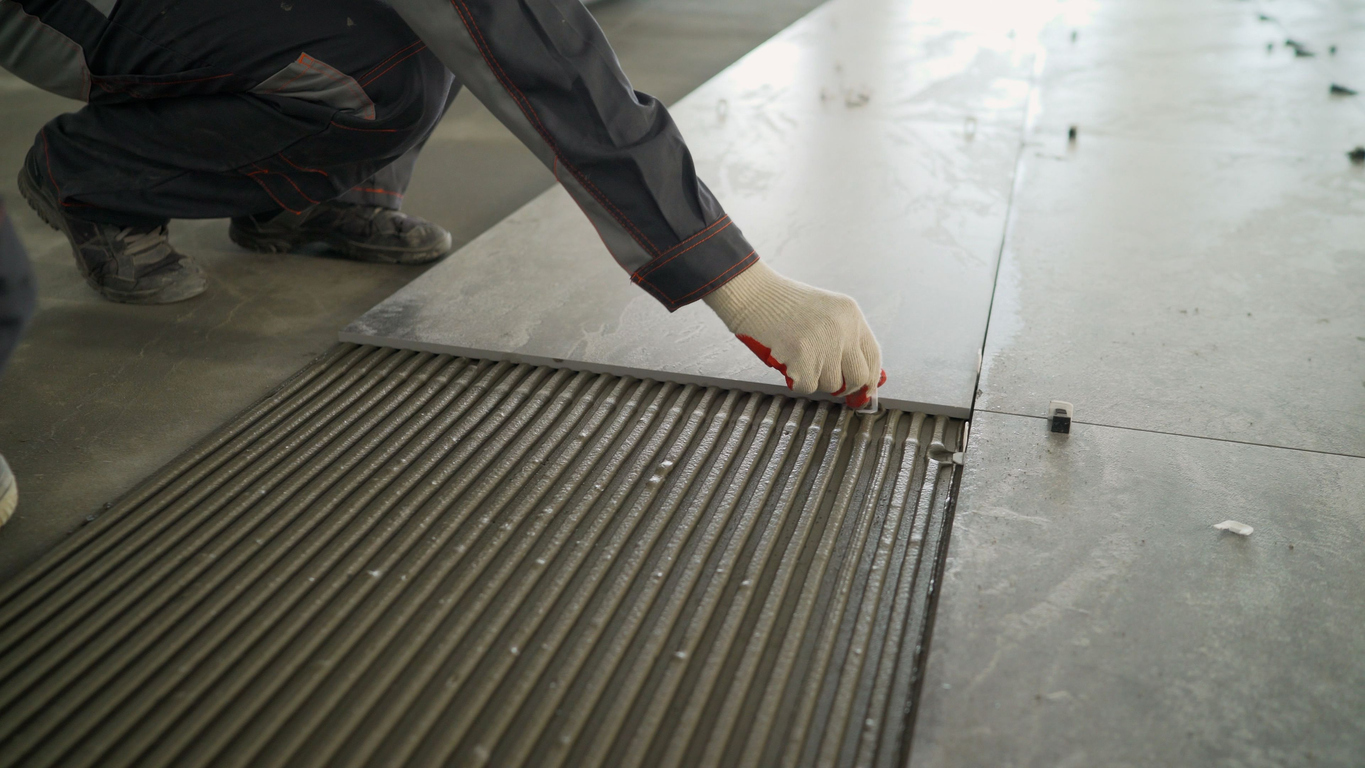
A commercial floor can look perfect on day one and fail dramatically by month six. Tiles cup, luxury vinyl planks curl at the seams, adhesive bleeds, and mysterious dark spots appear where traffic is heaviest. When that happens, the problem is usually not the product or the installer. It is moisture that was hiding in the concrete slab long before the first pallet of flooring arrived on site.
Commercial flooring systems are expected to perform for years under constant foot traffic, rolling equipment, and daily maintenance. That performance starts below the finished surface. Moisture testing before installation provides critical information about the condition of the concrete slab, helping project teams make informed decisions before flooring materials are installed. Rather than reacting to failures later, testing allows potential issues to be identified while they can still be addressed.
Concrete Doesn't Dry as Quickly as Many People Assume
One of the biggest misconceptions in commercial construction is that a concrete slab is ready for flooring simply because it looks dry. In reality, curing and drying are two separate processes.
Concrete typically reaches its design strength within about 28 days through curing, but excess moisture continues leaving the slab long afterward. Depending on slab thickness, environmental conditions, ventilation, and building schedule, drying can take several months.
Concrete is also naturally porous. Even older slabs may continue exchanging moisture with the surrounding soil and the indoor environment. Conditions such as:
- High seasonal humidity
- Rain exposure during construction
- Delayed HVAC startup
- Missing or damaged vapor retarders
can all slow the drying process or introduce additional moisture into the slab.
From the surface, everything may appear ready for installation. Beneath that surface, however, moisture levels may still exceed what adhesives and flooring products can tolerate.
Moisture Testing Looks Beyond Surface Conditions
Simply touching or visually inspecting a slab cannot determine whether it is suitable for flooring installation.
Modern moisture testing measures what is happening inside the concrete rather than relying on surface appearance.
One commonly used method is ASTM F2170 relative humidity (RH) testing, which places calibrated probes inside the slab to measure internal moisture levels. Because the probes evaluate conditions beneath the surface, they provide a much more accurate picture of the environment where adhesives and flooring materials will perform.
Depending on project requirements, teams may also perform:
- Calcium chloride testing (ASTM F1869) to measure moisture vapor emission rates (MVER)
- Surface pH testing to identify elevated alkalinity that can interfere with flooring adhesives
Using these tests together creates a more complete understanding of how the slab will interact with the selected flooring system.
What High Moisture Readings Can Tell You
Moisture testing isn't simply about receiving a pass-or-fail result. The findings often help explain why moisture is present and what the next step should be.
Consistently elevated readings throughout a newly poured slab may indicate that additional drying time is needed before installation.
Localized high readings, on the other hand, may point toward more specific concerns, including:
- Compromised vapor barriers
- Groundwater pressure
- Drainage issues around the building
- Areas requiring moisture mitigation
These distinctions matter because each situation calls for a different solution. Some projects simply require more drying time under controlled environmental conditions, while others may benefit from moisture-control coatings or adjustments to the planned flooring materials.
Testing provides the information needed to choose the right path rather than relying on assumptions.
Why Flooring Manufacturers Care About Moisture Results
Many commercial flooring manufacturers publish maximum acceptable moisture limits for their products.
If those limits are exceeded, the flooring may still be installed, but the manufacturer may not honor warranty claims should moisture-related failures occur later. Documented moisture testing often forms part of the warranty requirements for adhesives, resilient flooring, carpet tile, and other commercial flooring systems.
This is especially important on projects where multiple products work together as a complete flooring assembly.
Subfloor preparation materials, adhesives, moisture mitigation systems, and finished flooring are typically designed to perform as a system. Understanding moisture conditions beforehand helps ensure that those products are being installed within the manufacturer's recommended limits rather than outside them.
The Cost of Skipping Moisture Testing Often Goes Beyond the Floor
Replacing damaged flooring is expensive, but it is rarely the only cost when moisture causes a commercial flooring system to fail.
The larger impact often comes from the disruption that follows.
Crews may need to remove flooring, repair the substrate, reinstall materials, and temporarily close portions of a facility. For businesses that operate around the clock or serve the public, that interruption can affect daily operations long before the replacement work is finished. Industry estimates place the annual cost of moisture-related flooring failures in the United States at well over $1 billion, underscoring how common—and costly—these issues can become.
The consequences also vary by facility type.
- Healthcare facilities may face infection control concerns if moisture becomes trapped beneath flooring materials.
- Hotels and commercial offices can experience loose flooring, visible discoloration, or uneven surfaces that negatively affect the appearance of high-traffic spaces.
- Schools and public buildings may need to schedule repairs around occupancy, creating additional logistical challenges.
In many cases, a problem that began beneath the slab eventually becomes visible to employees, visitors, patients, or customers.
Moisture Testing Works Best When It's Part of the Project Plan
The most successful commercial flooring projects don't treat moisture testing as a last-minute checkbox.
Instead, testing is scheduled early enough that project teams have options if elevated moisture levels are discovered.
That planning may include:
- Scheduling testing before the flooring materials arrive on site
- Comparing results against the flooring manufacturer's published requirements
- Allowing additional drying time if needed
- Incorporating moisture mitigation into the project schedule
- Selecting flooring products compatible with existing slab conditions
Approaching moisture this way keeps decisions proactive rather than reactive. Instead of discovering a problem after installation has begun, project teams can adjust schedules, materials, or preparation methods before they affect the finished floor.
Documentation is another important part of the process. Recording relative humidity, moisture vapor emission, and pH results creates a valuable project record that supports installation decisions and manufacturer warranty requirements.
Moisture Testing Supports Long-Term Flooring Performance
Every flooring material has different performance characteristics.
Luxury vinyl tile, carpet tile, sheet vinyl, ceramic tile, and resinous flooring systems each interact differently with concrete slabs and adhesives. Moisture testing helps determine whether the existing conditions align with the requirements of the flooring system being installed.
That information allows project teams to make informed choices about:
- Material selection
- Adhesive compatibility
- Moisture mitigation systems
- Installation timing
- Subfloor preparation
Rather than treating every project the same, testing helps tailor the installation process to the conditions beneath the floor. That approach reduces unnecessary risk while giving the finished flooring system the best opportunity to perform as intended throughout its service life.
Plan Your Commercial Flooring Project With the Right Information
Moisture isn't always visible, but it can influence nearly every stage of a commercial flooring installation. Identifying elevated moisture before work begins gives project teams more flexibility to address conditions before they affect schedules, warranties, or long-term flooring performance.
If you're planning a commercial flooring project, working with experienced professionals who understand moisture testing, subfloor preparation, and commercial flooring installation can help you make informed decisions from the start.
Ready to avoid costly surprises beneath your new floors?
Contact Lippert Flooring & Tile at (262) 999-5727 or schedule your commercial flooring consultation to discuss your project and the services that best fit your facility.